
5 Clinical Signs That Tell Me You May Need a Dental Crown
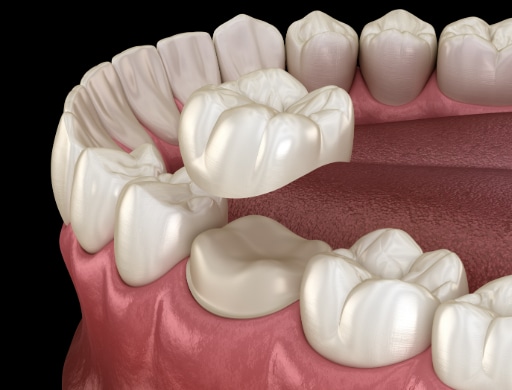
If a tooth is giving you trouble — pain when you bite, a visible crack, vertical fracture line, or a filling that keeps failing — a dental crown may be the most effective way to protect it. A crown fits over your existing tooth like a cap, restoring its shape, strength, and function while preventing further damage.
Key Takeaways
- A crown is often the right choice when a tooth has too little healthy structure left to support a filling
- Cracked, broken, and root-canal-treated teeth all benefit from crown protection
- Modern porcelain and zirconia crowns look completely natural
- Acting early prevents small problems from becoming extractions or root canals
- Jorgensen Advanced Dental Center provides crown restorations at our Palm Springs and Indian Wells, CA offices
Sign 1: You Have a Large or Failing Filling
A filling restores a tooth after decay is removed — but a filling has limits. When decay covers a large portion of the tooth, or when an old filling cracks, wears, or leaks, there may not be enough healthy tooth structure left to adequately hold another filling in place.
In these cases, a dental crown wraps entirely around the visible portion of the tooth, providing stability that a filling cannot. The crown bears biting and chewing forces evenly, so the remaining natural tooth underneath is protected rather than strained.
Left untreated, a failing filling allows bacteria to re-enter the tooth. What starts as a straightforward repair can progress to deep decay, infection, or an abscess requiring root canal therapy — or worse, extraction.
What to watch for: Sensitivity when biting on a filled tooth, visible discoloration or dark margins around a filling, or a filling that has cracked or partially fallen out.
Sign 2: Your Tooth Is Cracked or Fractured
A cracked tooth is one of the more deceptive dental problems because a crack is often invisible on an X-ray and the tooth may look perfectly fine. One hallmark symptom is sharp pain when you bite down — particularly when you release the pressure — along with sensitivity to hot and cold. However, many deep vertical fractures can remain without symptoms virtually until tooth failure. So, the other hallmark sign that becomes clinically evident is discoloration along a vertical or horizontal fracture line.
Cracks occur from biting hard foods, teeth grinding (bruxism), an old large filling that weakens the surrounding tooth, or even temperature fluctuations over time. A crown circumferentially holds the cracked tooth together, preventing the crack from spreading toward the root.
Without treatment, a crack can deepen. Once it reaches the nerve, you'll need a root canal. If it extends below the gumline, the tooth may not be saveable at all.
What to watch for: Intermittent sharp pain when chewing, sensitivity that lingers after eating hot or cold foods, pain that's hard to pinpoint to a single tooth, or visible discoloration running along vertical or horizontal fracture lines.
Sign 3: You've Had a Root Canal
A root canal removes infected pulp from inside the tooth and seals the canals to prevent reinfection. The procedure saves the tooth — but it leaves it significantly more fragile.
When the pulp is removed, the tooth loses its internal moisture supply. Over time it becomes brittle and prone to fracturing under normal chewing forces. For most back teeth (molars and premolars that bear the brunt of biting), a crown is the standard of care after root canal therapy. It protects the treated tooth and allows it to function normally for many years.
Skipping the crown is a common and costly mistake. An uncrowned root-canal-treated tooth is far more likely to fracture — often catastrophically, in a way that makes the tooth unrestorable.
What to watch for: If you've completed root canal therapy and your dentist has recommended a crown, don't delay. The root canal saves the tooth; the crown protects the investment and ultimately helps to avoid more complicated fracture or harm to the tooth.
Sign 4: Severe Decay That Can't Be Filled
Not every cavity can be fixed with a filling. When decay has destroyed a substantial enough portion of the tooth's structure, a filling doesn't have enough healthy tooth to bond to — and the forces of chewing will cause it to fail quickly.
In these situations, a dental crown rebuilds the full shape of the tooth using the remaining healthy root and core as a foundation. If significant tooth structure has been lost, your dentist may first place a core buildup — a foundation material — before fitting the crown.
Catching decay early is always preferable. If you've been delaying dental visits, decay can progress from a small cavity to a situation requiring a crown, or eventually an extraction. The American Dental Association recommends regular exams to catch decay at its earliest, most treatable stage.
What to watch for: Visible holes or dark spots in a tooth, persistent toothache, or your dentist flagging a cavity that has grown since your last visit.
Sign 5: A Broken or Severely Worn-Down Tooth
Teeth can break from accidents, biting something unexpectedly hard, or years of grinding. They can also wear down gradually from acid erosion (frequent acidic food or drink, acid reflux) or bruxism — often without the person realizing how much structure has been lost until the teeth appear shorter or flat.
A crown rebuilds the tooth to its original height and shape, restoring your bite and protecting the worn surfaces from further damage. For patients with bruxism, treatment also includes addressing the grinding habit — typically with a custom night guard — so the crown lasts as long as possible.
Severely worn teeth affect more than appearance. A collapsed bite puts strain on the jaw joints (TMJ), can cause headaches, and makes chewing less efficient.
What to watch for: Teeth that look shorter than they used to, flat chewing surfaces, jaw soreness in the morning, or a tooth that has visibly chipped or broken.
What Does a Crown Procedure Involve?
Most crown placements take two appointments. At the first visit, your dentist:
- Numbs the area with local anesthesia
- Removes any decay and shapes the tooth to receive the crown
- Takes a digital impression (no messy trays at modern practices)
- Places a temporary crown while your permanent crown is fabricated
At the second visit — typically one to two weeks later — the temporary is removed, the permanent crown is checked for fit and bite, and it's cemented in place.
Patients are often surprised by how comfortable the process is. At Jorgensen Advanced Dental Center, we offer sedation options for patients who feel anxious about dental work.
Crown Material Options
| Material | Appearance | Best For |
|---|---|---|
| Full porcelain / all-ceramic | Most natural-looking | Front teeth, patients with metal sensitivity |
| Zirconia | Extremely strong, natural appearance | Back teeth, heavy biters |
Most crowns last 10–15 years or longer with good oral hygiene and regular professional cleanings at our Palm Springs and Indian Wells offices.
Frequently Asked Questions
How do I know if I need a crown or just a filling?
Your dentist determines this based on how much healthy tooth structure remains. If less than half the tooth is intact, or if decay or a crack has compromised the structural walls of the tooth, a crown provides the support a filling cannot. When in doubt, a dental exam and X-rays give a clear picture of what your tooth needs.
Does getting a dental crown hurt?
The procedure is performed under local anesthesia, so you should feel pressure but not pain during tooth preparation. Some sensitivity around the gum line is normal for a few days after. Most patients are comfortable returning to normal activities the same day. If anxiety is a concern, ask about sedation options — we offer them at both our Palm Springs and Indian Wells locations.
How long does a dental crown last?
Most crowns last 10–15 years, and many last significantly longer. Longevity depends on the material, the location of the crown in your mouth, your bite, and your home care. Brushing twice daily, flossing, wearing a night guard if you grind, and keeping up with professional cleanings all extend the life of a crown considerably.
What happens if I don't get a crown when my dentist recommends one?
A tooth that needs a crown but doesn't get one continues to deteriorate. A cracked tooth may split to the root. A failing filling allows bacteria back in. A root-canal-treated tooth without a crown is highly likely to fracture. In most cases, delaying a crown turns a straightforward restoration into a more complex — and more expensive — situation, potentially ending in extraction.