Best and Worst Foods for Your Teeth After Age 35
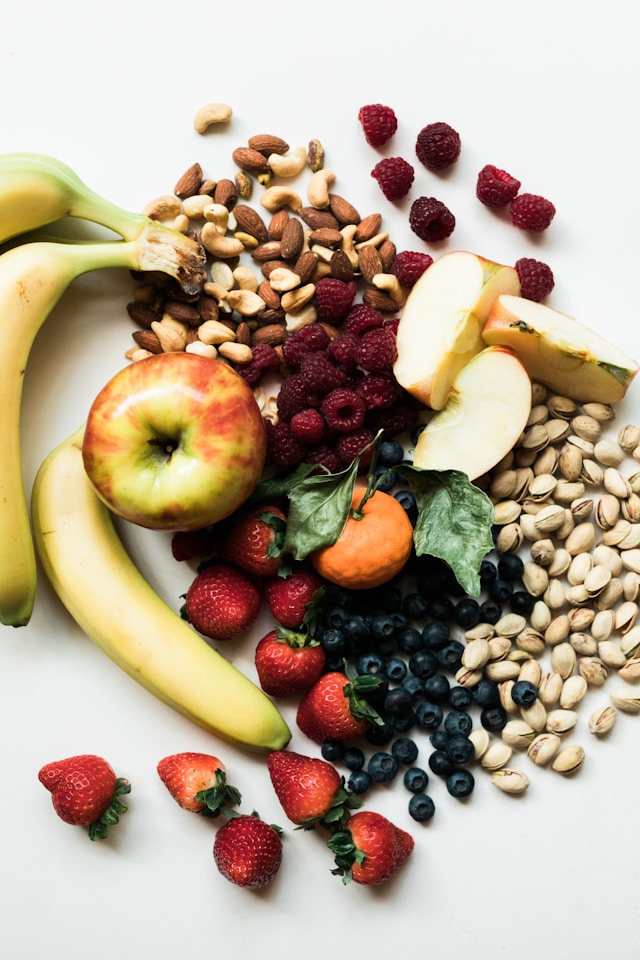
The best foods for healthy adult teeth include dairy products, leafy greens, crunchy vegetables, nuts, and water. After 35, your enamel is thinner, your gums may have already receded slightly, and medications for common conditions can leave your mouth drier than it used to be. What you eat directly affects how well your teeth hold up over the next few decades.
Key Takeaways
- Calcium-rich foods (dairy, leafy greens, almonds) help maintain enamel and bone density as you age.
- Crunchy raw vegetables stimulate saliva and gently clean tooth surfaces between brushings.
- Sugary drinks, sticky candy, and acidic foods (citrus, wine, soda) accelerate enamel erosion in adults over 35.
- Dry mouth — common with many prescription medications — makes adults more vulnerable to cavities regardless of diet.
- Rinsing with water after acidic or sugary foods, rather than brushing immediately, protects softened enamel.
- No diet substitutes for a professional cleaning and prevention visit every six months.
Why Your Diet Affects Your Teeth Differently After 35
Tooth enamel does not regenerate. By the time you reach your mid-thirties, your enamel has already endured decades of acid exposure, temperature changes, and mechanical wear. It is thinner than it was in your twenties, which means dietary acids and sugars reach the deeper layers of your teeth more readily.
Gum recession — even mild recession that you may not notice — exposes the roots of your teeth, which have no enamel at all. Root surfaces are softer than enamel and decay far faster when repeatedly bathed in acids or sugars. At the same time, many adults over 35 take prescription medications for blood pressure, allergies, anxiety, or cholesterol. Dry mouth is one of the most common side effects of these medications, and saliva is your mouth's primary natural defense against decay. Less saliva means less buffering of acids and less natural rinsing of bacteria.
Understanding these changes helps explain why a diet that seemed fine in your twenties can be silently damaging your teeth a decade or two later.
The Best Foods for Healthy Teeth After 35
A tooth-friendly diet does not require dramatic changes. It means prioritizing foods that actively support enamel strength, stimulate saliva, and minimize the time acids spend on your tooth surfaces.
Dairy Products and Calcium-Rich Foods
Milk, cheese, and plain yogurt are among the most tooth-friendly foods available. They deliver calcium and phosphate, which help remineralize weakened enamel. Cheese in particular raises the pH in your mouth, reducing acidity almost immediately after you eat it. If you are lactose intolerant or vegan, calcium-set tofu, fortified plant milks, and canned salmon with bones provide similar mineral benefits.
Crunchy Vegetables and Apples
Carrots, celery, cucumber, and apples have a dual benefit. Chewing them requires effort, which stimulates saliva production. Saliva is alkaline — it neutralizes acids and washes food particles off your teeth. The fibrous texture also provides gentle mechanical scrubbing of tooth surfaces. Think of a handful of baby carrots as a snack that works for your teeth rather than against them.
Leafy Greens
Spinach, kale, and arugula are high in calcium and contain folic acid, a B vitamin that supports gum tissue health. Research published through the National Institutes of Health has linked adequate folate intake to a lower risk of gum disease, which becomes increasingly important as you move past 35, when periodontal disease risk rises. Add leafy greens to smoothies, salads, or eggs if you find them difficult to eat in large amounts on their own.
Water — The Most Underrated Tooth Protector
Water is the single most protective beverage for your teeth. It rinses away food debris, dilutes acids, and — if it is fluoridated tap water — delivers a small, continuous dose of fluoride that strengthens enamel. Drinking water throughout the day is especially important if you take medications that reduce saliva flow. Carry a reusable bottle and sip water consistently rather than drinking large amounts all at once.
Nuts and Lean Proteins
Almonds, walnuts, and cashews are high in calcium and phosphorus without the acidity or sugar content that comes with many other snacks. Lean proteins — chicken, fish, eggs — supply phosphorus, another mineral that works alongside calcium to maintain enamel density. These foods also require thorough chewing, keeping saliva flowing during and after your meal.
Foods That Harm Your Teeth After 35
The following foods and drinks are not necessarily off-limits, but understanding how they damage your teeth allows you to make smarter choices about when and how often you consume them.
Sugary and Acidic Drinks
Soda, sports drinks, flavored waters, and fruit juices combine two of the worst properties for your teeth: high sugar content and high acidity. The bacteria in your mouth feed on sugars and produce lactic acid as a byproduct, which erodes enamel. Meanwhile, the beverage itself is often acidic enough to soften enamel directly. After 35, when your enamel is thinner to begin with, frequent consumption of these drinks accelerates surface loss noticeably.
Sticky and Chewy Candy
Gummy bears, caramel, toffee, and dried fruit cling to the surfaces and grooves of your teeth for extended periods. Unlike a piece of chocolate that dissolves quickly, sticky candy keeps teeth bathed in sugar and acid for minutes or hours. This extended contact time gives bacteria far more opportunity to produce enamel-eroding acids.
Starchy Snacks
Crackers, white bread, chips, and pretzels break down rapidly into simple sugars in your mouth. They also tend to pack into the grooves between teeth and along the gumline. Many patients are surprised to learn that a bag of crackers can be more decay-promoting than a small piece of chocolate, simply because the starchy residue lingers so much longer.
Coffee, Tea, and Red Wine
These beverages stain tooth enamel over time and are mildly acidic. The staining becomes more pronounced after 35 as enamel has thinned, exposing the naturally yellower dentin underneath. While moderate consumption is not a dental emergency, drinking these through a straw and rinsing with water afterward reduces their surface contact with your teeth. If staining is a concern, professional whitening options are available at Jorgensen Advanced Dental Center.
Citrus Fruits and Vinegar-Based Foods
Oranges, lemons, limes, pickles, and vinegar-dressed salads are highly acidic. Eating them occasionally and as part of a meal is fine — the other foods buffer some of the acid. Problems arise when you sip lemon water throughout the day or eat citrus as a standalone snack repeatedly. The acid softens enamel temporarily; brushing within 30 minutes of eating acidic foods can actually worsen surface damage by abrading softened enamel.
Practical Tips for Protecting Your Teeth Through Diet
Simple habits make a significant difference in how your diet affects your long-term oral health:
- Eat sweets and acidic foods with meals, not between them. Saliva production is higher during meals and the other foods help buffer acids.
- Rinse with water immediately after acidic or sugary foods. Wait at least 30 minutes before brushing to let enamel reharden.
- Finish meals with cheese or plain yogurt to raise oral pH and slow enamel demineralization.
- Chew sugar-free gum (xylitol-based) after meals when brushing is not possible. Xylitol actively inhibits the bacteria that cause cavities.
- Stay hydrated throughout the day, especially if you take medications that cause dry mouth.
- Limit sipping. Frequent small sips of coffee, juice, or soda expose your teeth to continuous acid cycles. One glass during a meal is far less damaging than sipping the same volume over several hours.
When Diet Alone Is Not Enough
Even the most disciplined diet cannot remove the calcified tartar (calculus) that builds up along your gumline over time. Tartar cannot be removed by brushing or diet — only professional cleaning and prevention care removes it. Tartar buildup is the primary driver of gum disease, which affects roughly half of adults over 30 according to the Centers for Disease Control and Prevention.
If decay does develop despite good dietary habits, prompt restorative treatment at an early stage prevents small cavities from becoming larger, more expensive problems.
At Jorgensen Advanced Dental Center, we see patients at our Palm Springs and Indian Wells, California offices and are happy to discuss how your specific diet and health history affect your oral health. A preventive cleaning every six months, combined with smart food choices, is the most reliable combination for keeping your teeth strong well into your fifties, sixties, and beyond.
Schedule a cleaning or exam today at Jorgensen Advanced Dental Center.
Frequently Asked Questions
What are the best foods for healthy adult teeth?
Dairy products (cheese, yogurt, milk), leafy greens, crunchy raw vegetables, nuts, lean proteins, and fluoridated water are the top choices for healthy adult teeth. These foods supply calcium and phosphorus for enamel strength, stimulate saliva production, and provide gentle mechanical cleaning of tooth surfaces throughout the day.
What foods should adults over 35 avoid for their teeth?
Adults over 35 should limit sugary drinks, sticky candy, starchy snacks like crackers, acidic beverages like soda and citrus juice, and frequent coffee or wine consumption. These foods either feed decay-causing bacteria, erode enamel directly, or keep teeth in contact with sugars and acids for prolonged periods — all of which become more damaging as enamel thins with age.
Can diet alone prevent tooth decay in adults over 35?
Diet is a major factor but cannot fully prevent tooth decay on its own. Professional dental cleanings every six months remove tartar that no amount of good eating can eliminate. Fluoride from toothpaste and tap water, daily flossing, and regular dental exams are essential complements to a tooth-friendly diet, especially after 35 when enamel is thinner and gum recession may have already begun.
How does aging change the way diet affects my teeth?
After 35, enamel has thinned from decades of use, making it more vulnerable to dietary acids. Gum recession may expose softer root surfaces that decay faster than enamel. Many prescription medications reduce saliva flow, removing a key natural defense against cavities. These factors together mean that dietary habits that seemed harmless in your twenties can cause measurable damage in your thirties, forties, and beyond.