
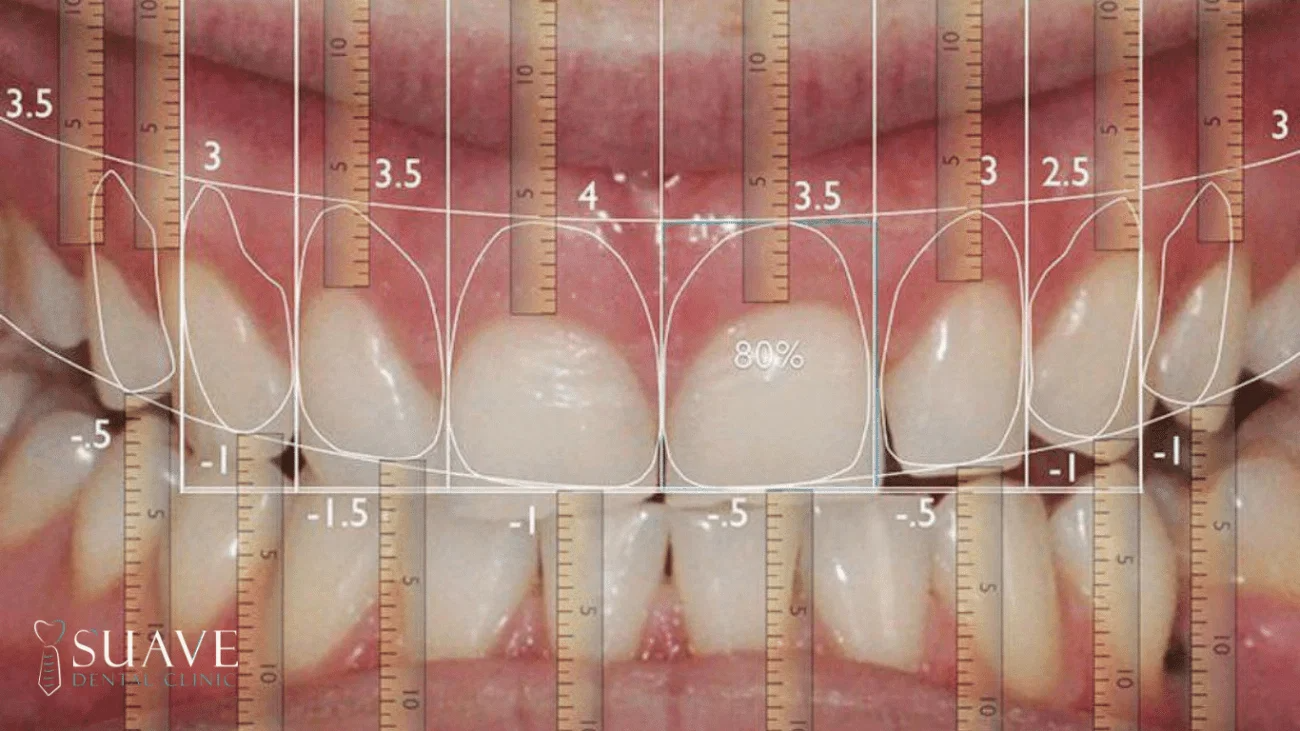
How Digital Smile Design Improves Cosmetic Dentistry Outcomes
Digital Smile Design (DSD) is a planning technology that lets you see a preview of your finished smile before any dental work begins. Using photographs, video, and specialized software, your dentist maps a proposed smile onto your face and shows you the result in a virtual mock-up. You can then approve the look, request changes, and move forward with total confidence. At Jorgensen Advanced Dental Center, DSD is part of how we make cosmetic treatment more predictable and more personal for patients in Palm Springs and Indian Wells, CA.
Key Takeaways
- Digital Smile Design creates a virtual preview of your smile before any work is done
- It aligns proposed changes to your facial proportions, not just your teeth in isolation
- Patients can request adjustments to the design before committing to treatment
- DSD reduces miscommunication between patient and dentist, lowering the risk of revisions
- It is used for veneers, crowns, full mouth rehabilitation, and other cosmetic procedures
- The result is a more predictable outcome and a more confident patient experience
What Is Digital Smile Design?
Digital Smile Design is a software-based treatment planning system that uses high-resolution photographs and video of your face and teeth to create a detailed visual proposal for your new smile. Rather than describing the outcome in abstract terms, "your teeth will be a little longer" or "we'll close that gap", DSD lets you actually see the proposed result overlaid on your own face.
The concept was developed to solve one of the most common sources of frustration in cosmetic dentistry: the gap between what a patient imagined and what they received. With DSD, that gap closes before treatment starts.
How the Process Works
Step 1: Documentation
Your dentist captures a full set of photos and video. These include full-face shots, close-up smile photos, profile views, and often short video clips of you speaking and smiling naturally. The goal is to capture how your smile looks in motion, not just in a static pose.
Step 2: Digital Mapping
Your dentist imports the images into DSD software and maps a proposed smile design onto your actual face. This isn't a generic template. Your dentist calculates the proportions relative to your facial midline, lip line, gum line, and tooth length-to-width ratios. The result is a design built for your face.
Step 3: Virtual Mock-Up
Your dentist shows you the proposed design, either on screen during your appointment or in a follow-up presentation. In many cases, your dentist also creates a physical mock-up (a temporary overlay placed directly on your teeth) so you can feel and see the proposed result in real life before any permanent work begins.
Step 4: Refinement
If you want changes, teeth slightly shorter, a different shade, a different shape, your dentist makes those adjustments to the digital design before any preparation work begins. This is the step that makes DSD so valuable: revisions happen in software, not in your mouth.
Step 5: Treatment
Once you approve the design, your dentist uses it as the precise guide for treatment. Your dentist translates the approved digital plan into the physical outcome, relying less on in-the-moment judgment calls.
Benefits Over Traditional Cosmetic Planning
Traditional cosmetic dentistry relied heavily on the dentist's experience and the patient's ability to imagine an outcome from a verbal description or two-dimensional before-and-after photos of other patients. That approach works well in skilled hands, but it leaves room for misaligned expectations.
You See It Before You Commit
The single biggest benefit of DSD is informed consent in the truest sense. You aren't agreeing to a description. You're approving an image of your own face with the proposed smile. If the result doesn't match your expectations, you say so before any tooth structure is touched.
Proportions Are Built Around Your Face
Cosmetic results that look stunning on one person can look wrong on another because every face is different. DSD uses your facial measurements, not a generic ideal, as the foundation for the design. This produces smiles that feel natural and harmonious rather than out of place.
Fewer Surprises, Fewer Revisions
When the approved digital design guides the physical outcome, the rate of post-treatment dissatisfaction drops. You and your dentist are working from the same visual reference throughout the process. That shared reference reduces misinterpretation and the need for do-overs.
Better Communication with the Lab
For restorations like porcelain veneers or crowns, your dentist sends the digital design to the dental laboratory. The lab technician works from a precise visual specification rather than written instructions alone. The result matches the plan more closely.
Procedures That Benefit from Digital Smile Design
DSD applies to a wide range of cosmetic and restorative procedures, not just one type of treatment:
- Porcelain veneers: your dentist previews shape, length, and shade before any preparation
- Dental crowns: your dentist designs the crown to integrate with the rest of your smile
- Tooth bonding: the digital plan guides how much material goes where
- Full mouth rehabilitation: especially valuable when your dentist restores multiple teeth at once, since the interactions between teeth are complex
- Gum contouring: the software can model how reshaping the gum line will change the appearance of your smile
- Clear aligner therapy: your dentist plans the endpoint of tooth movement visually before the lab fabricates your aligners
What to Expect at a DSD Consultation
A Digital Smile Design consultation at Jorgensen Advanced Dental Center typically follows this sequence:
- Photography and video capture: 20-30 minutes
- Digital design presentation: your dentist walks you through the proposed changes on screen
- Discussion and refinement: you give feedback, and your dentist makes adjustments in real time or at a follow-up visit
- Physical mock-up (optional): your dentist places temporary material on your teeth so you can experience the result before committing
- Treatment planning: once you approve the design, your dentist creates a detailed treatment timeline
Nobody rushes you through this process. The purpose of DSD is to give you enough information to make a confident decision. That takes time and an honest conversation about what's achievable.
Is Digital Smile Design Right for You?
DSD is most beneficial when you're considering a significant cosmetic change, veneers, a full smile makeover, or multiple restorations, and want to see a realistic preview before committing. It's also a good fit if you've had cosmetic work before that didn't meet your expectations, since the visual planning process helps ensure alignment from the start.
If you are considering a single small repair, DSD may be more than the situation requires. Your dentist at Jorgensen Advanced Dental Center will advise you on whether a full DSD workup makes sense for your specific goals.
Frequently Asked Questions
What is Digital Smile Design in dentistry?
Digital Smile Design is a software-based planning system that uses photographs and video of your face and teeth to create a virtual preview of your proposed smile. The dentist maps the design to your facial proportions and shows you the result before any treatment begins, so you can approve or adjust the plan with full confidence.
How accurate is the Digital Smile Design preview?
The digital preview is a close representation of the intended outcome, not a guarantee. Factors like tissue healing, individual tooth response, and laboratory fabrication introduce some variation. However, because the physical work is guided by the approved digital plan, outcomes are significantly more predictable than with traditional planning methods.
Does Digital Smile Design cost extra?
DSD is a planning tool that's typically part of a full cosmetic consultation. Whether it's billed separately or included in treatment costs varies by practice. Contact Jorgensen Advanced Dental Center directly for information about consultation fees and treatment pricing.
How long does a Digital Smile Design consultation take?
The photography and initial design typically take one to two appointments. The first appointment captures documentation; the second presents the design and gathers your feedback. If a physical mock-up is included, that may require an additional visit. Most patients complete the planning phase within two to three weeks before treatment begins.