
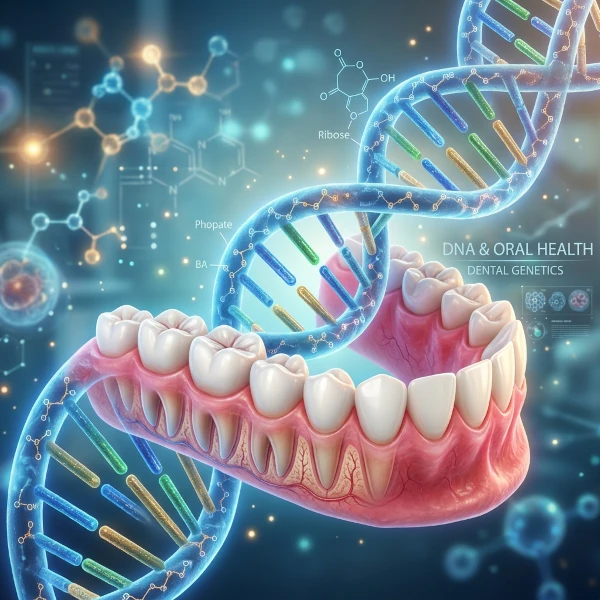
How Genetics Influence Periodontal Health
If your parents or grandparents struggled with gum disease, you may be at higher risk than the average patient, even if you brush and floss consistently. Research shows that genetics account for up to 50% of your susceptibility to periodontal disease. Understanding this connection doesn't mean accepting tooth loss as inevitable. It means knowing your risk, staying vigilant, and working with a dental team that can monitor your gum health proactively.
Key Takeaways
- Genetics can account for up to 50% of your susceptibility to periodontal (gum) disease
- A family history of gum disease roughly doubles your personal risk
- Specific genes affect how your immune system responds to oral bacteria
- Genetic predisposition does not guarantee gum disease: consistent hygiene and regular care make a major difference
- Tell your dentist about any family history of gum disease so monitoring can be adjusted accordingly
- Jorgensen Advanced Dental Center in Palm Springs and Indian Wells, CA offers personalized periodontal risk assessments
What the Research Says About Genetics and Gum Disease
Genetics and gum disease are more closely linked than most patients realize. Twin studies have been particularly revealing. Identical twins show much higher rates of shared periodontal disease than fraternal twins, even when their environments and hygiene habits differ. This tells researchers that something beyond brushing and diet is at work.
Having a close relative with chronic periodontitis roughly doubles your own risk. That doesn't mean gum disease is guaranteed. It does mean your immune system may be wired to respond more aggressively, or insufficiently, to the bacteria that cause periodontal infections.
Which Genes Are Involved?
Inflammatory Response Genes
The most studied genetic link involves genes that regulate inflammation, particularly those controlling cytokine production. Cytokines are signaling proteins that direct your immune response. Certain gene variants cause the body to produce elevated levels of interleukin-1 (IL-1), a cytokine that intensifies inflammatory responses. When oral bacteria trigger this response in the gum tissue, the resulting inflammation can break down the bone and connective tissue that anchor your teeth. That breakdown happens faster and more severely than in patients without the variant.
Immune System Genes
Other genes affect how well your immune system recognizes and neutralizes harmful bacteria. Patients with certain immune gene variants may have a reduced ability to clear periodontal pathogens, allowing infection to take hold and persist despite good hygiene habits.
Collagen and Tissue Repair Genes
Genes governing collagen production and tissue repair also play a role. Periodontal disease destroys the collagen fibers that connect your gums to your teeth. Patients with inherited weaknesses in tissue repair pathways may experience faster breakdown once disease begins.
Genetics Isn't Destiny
The most important point: having a genetic predisposition to gum disease does not mean you will develop it. Genetics loads the gun. Lifestyle and care pull the trigger.
Patients with high genetic risk who maintain excellent oral hygiene, attend professional cleanings every three to four months, avoid tobacco, and manage systemic conditions like diabetes can keep their gum disease under control or prevent it entirely. Addressing problems early matters too. The research is consistent on this point: behavioral and environmental factors remain powerful modifiers of genetic risk.
Think of it the way you would a family history of heart disease. The history changes your monitoring strategy: more frequent checkups, earlier intervention. It doesn't determine your outcome, though.
What to Tell Your Dentist
If you know that gum disease runs in your family, that information belongs in your dental health history. Specifically, tell your dentist:
- Which relatives were affected (parents, grandparents, siblings)
- Whether those relatives experienced tooth loss related to gum disease
- Any history of early-onset periodontitis (gum disease diagnosed before age 35)
- Whether you've noticed your own gum symptoms: bleeding, recession, sensitivity
This context changes how your dentist monitors your care. Patients with documented family history may benefit from more frequent periodontal evaluations, earlier X-rays to check bone levels, and a lower threshold for initiating treatment when early signs appear.
Genetic Testing in Dentistry
Genetic testing for periodontal risk is available, though not yet standard practice. Tests like the PST (Periodontal Susceptibility Test) analyze saliva or cheek cells for specific gene variants associated with elevated IL-1 production. A positive result signals high genetic risk and can support decisions about monitoring frequency and preventive treatment.
If you're curious about genetic testing, ask your dentist whether it makes sense given your personal and family history. For many patients with a clear family history, testing adds little beyond what the history already tells you. For patients with ambiguous risk profiles, though, it can be a useful data point.
How Jorgensen Advanced Dental Center Supports High-Risk Patients
At Jorgensen Advanced Dental Center, serving patients in Palm Springs and Indian Wells, CA, we factor your personal and family history into every periodontal disease evaluation. Patients who are genetically or medically at higher risk receive more frequent monitoring and earlier intervention recommendations.
Our preventive care approach for high-risk patients typically includes:
- Periodontal charting at every visit: measuring pocket depths to detect changes before symptoms appear
- Adjusted cleaning intervals: moving from twice-yearly to three or four times per year when risk warrants it
- Targeted patient education: techniques for disrupting plaque in the areas most vulnerable for your anatomy
- Coordinated care: if you manage diabetes or another systemic condition linked to gum disease, we coordinate with your physician
If gum disease runs in your family, the right time to act is before symptoms appear, not after. Contact us to schedule a periodontal risk assessment at either of our California locations.
Frequently Asked Questions
Does gum disease run in families?
Yes. Research shows that genetics account for up to 50% of your susceptibility to periodontal disease. Having a parent or sibling with gum disease roughly doubles your risk. Specific gene variants affect how your immune system responds to oral bacteria, making some people significantly more prone to gum inflammation and bone loss than others.
Can I prevent gum disease if it's genetic?
Yes. Genetic predisposition raises your risk but does not guarantee disease. Patients with high genetic risk who maintain thorough daily hygiene, see their dentist every three to four months, avoid tobacco, and address early warning signs consistently can prevent or effectively manage gum disease. Genetics loads the risk. Your habits and care determine the outcome.
Should I tell my dentist about a family history of gum disease?
Absolutely. Family history of gum disease is clinically relevant information. It influences how often your dentist monitors your gum health, when X-rays are taken to assess bone levels, and how early treatment is initiated if warning signs appear. Always include this detail when completing health history forms or during your exam.
What is genetic testing for gum disease?
Genetic testing for periodontal risk analyzes your DNA for variants associated with elevated inflammatory responses, particularly the interleukin-1 gene. A positive result indicates higher biological susceptibility to periodontal disease. While not yet standard, it can support treatment planning for patients with unclear risk profiles. Ask your dentist whether testing is appropriate for your situation.