
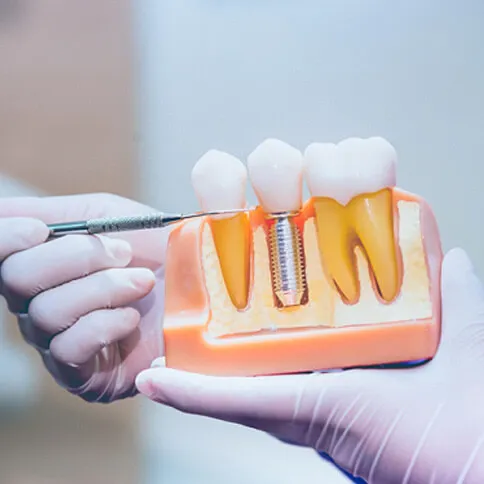
Single Tooth Implants Explained
A single tooth implant replaces one missing tooth with an artificial root and crown that look, feel, and function like your natural tooth. Instead of relying on neighboring teeth for support (as a bridge does), an implant stands entirely on its own, which is why it's often considered the most conservative and durable way to replace a single missing tooth.
If you're missing a tooth, you're not alone, and you don't have to live with the gap, the changes in your bite, or the self-consciousness that often comes with it. Dr. Jay Jorgensen walks patients through this decision every week, and the good news is that modern single tooth implants have a strong track record of success.
Key Takeaways
- A single tooth implant consists of a titanium (or zirconia) post, an abutment, and a custom crown. It replaces the whole tooth, root included.
- Long-term research following patients for nearly 40 years found a 95.6% implant survival rate, making single implants one of the most predictable restorations in dentistry.
- The process typically spans several months to allow the implant to fuse with your jawbone, though timelines vary by patient.
- Unlike a bridge, an implant doesn't require reshaping healthy adjacent teeth.
- Most healthy adults are candidates, but bone volume, gum health, and certain habits (like smoking) can affect the plan.
- Recovery is generally more comfortable than patients expect, especially with sedation options available.
What Is a Single Tooth Implant?
A single tooth implant is a three-part restoration: a small titanium or zirconia post placed in the jawbone to act as an artificial root, an abutment that connects the post to the visible tooth, and a custom-shaded crown that sits on top. Together, these parts recreate both the structure and function of your natural tooth, including the chewing pressure it's built to handle.
This matters because tooth loss isn't just a cosmetic issue. According to the CDC, about 1 in 10 adults aged 65 to 74 has lost all of their natural teeth. That number climbs to roughly 1 in 5 among adults 75 and older, a reminder of how common tooth loss becomes over time, and why early, stable replacement matters.
If you'd like to see how an implant compares to other restoration options, our dental implants page and restorations page both walk through the alternatives in more detail.
How Long Does a Single Tooth Implant Last?
Single tooth implants are built to last for decades, and long-term data backs that up. A follow-up study tracking patients for nearly 40 years found a survival rate of 95.6% for single-tooth implants, a remarkable figure for any dental restoration.
That longevity depends on a few things:
- Bone quality and quantity at the implant site
- Your oral hygiene routine and consistency with cleanings
- Bite forces and grinding habits, which we can help manage
- Overall health factors, such as diabetes control or smoking status
With routine checkups and good home care, most patients keep their implant crown functioning well for many years, sometimes needing only an occasional crown replacement while the implant post itself remains stable.
It's worth noting the difference between the implant post and the crown on top of it. The titanium post, once fused to your jawbone, is designed to remain in place indefinitely. The crown, the visible white portion, experiences the same everyday wear as a natural tooth. It may eventually need replacement after many years of chewing, just as a filling or crown on a natural tooth would. This is normal, expected, and generally a simple procedure compared to the original implant placement.
Recovery After Implant Placement
Recovery after implant placement is usually more manageable than patients expect, with most discomfort resolving within a few days. Immediately following the procedure, mild swelling and soreness are common. During this period, we typically recommend soft foods, gentle rinsing, and over-the-counter pain relief.
The longer healing phase, while the bone fuses to the implant, happens quietly in the background and doesn't usually involve ongoing discomfort. You'll return for periodic check-ins so we can confirm healing is progressing as expected before moving to the abutment and crown stages. Most patients are back to their normal routines, including work, within a day or two of the placement appointment itself.
The Single Tooth Implant Process, Step by Step
The process happens in stages, and we walk you through each one before we begin so there are no surprises:
- Consultation and imaging. We evaluate your jawbone, gum health, and bite using digital X-rays or 3D scans.
- Implant placement. The titanium post is placed into the jawbone under local anesthesia or sedation.
- Healing period (osseointegration). Over the following months, the bone fuses to the implant, creating a stable foundation. This is the step that gives implants their long-term strength.
- Abutment placement. Once healed, a small connector piece is attached to the implant.
- Crown placement. A custom crown, matched to your natural tooth color and shape, completes the restoration.
Some patients qualify for a shorter timeline depending on bone density and healing response. We'll let you know what to expect at your consultation.
Good Candidates for a Single Tooth Implant
Most healthy adults missing a single tooth are good candidates, but a few factors help determine the right approach:
| Factor | Why It Matters |
|---|---|
| Jawbone density | Enough bone is needed to support the implant; grafting can help if bone has receded |
| Gum health | Active periodontal disease should be treated first: see our periodontal disease page |
| Smoking | Can slow healing and reduce long-term success rates |
| Chronic conditions | Well-managed diabetes and other conditions generally don't rule out implants |
| Dental anxiety | Sedation dentistry can make the process far more comfortable |
If you're nervous about the procedure itself, you're not alone. Many of our patients feel the same way before their first visit. Our sedation dentistry options are designed specifically to ease that anxiety so you can focus on healing.
Age itself is rarely a barrier. We place implants for patients well into their 60s, 70s, and beyond, as long as bone health and overall health support it. What matters more than the number on your birth certificate is how well your body heals and how consistently you're able to keep up with follow-up care.
What Affects the Cost of a Single Tooth Implant
Cost varies based on your specific situation: whether bone grafting is needed, which materials you choose, and your insurance coverage. Rather than guess at a number that may not apply to you, we recommend scheduling a consultation so we can give you an accurate estimate and walk through financing options together. Contact us to get started.
Frequently Asked Questions
Does getting a single tooth implant hurt?
Most patients report less discomfort than they expected. The procedure is performed under local anesthesia, and sedation options are available. Mild soreness afterward is normal and typically managed well with over-the-counter pain relievers for a few days.
How long before I can eat normally after the procedure?
You'll want to stick to soft foods for the first few days while the surgical site begins healing. Most patients return to a normal diet within a week or two, though full healing around the implant takes several months before the final crown is placed.
What happens if I wait to replace a missing tooth?
Delaying replacement can allow the jawbone to shrink, shift neighboring teeth out of position, and change your bite over time. Replacing the tooth sooner generally preserves more bone and makes the implant process more straightforward.
Can a single tooth implant fail?
Implant failure is uncommon. Long-term studies show survival rates above 95%. Risk factors include uncontrolled gum disease, smoking, insufficient bone, or skipping follow-up care. Regular checkups help us catch and address any issues early.