Understanding Conscious Sedation in Dentistry
Conscious sedation dentistry means you remain awake enough to respond to simple instructions, but feel deeply relaxed, largely unaware of the procedure, and free from pain. It sits between light relaxation and full general anesthesia, and it's one of the most effective tools for helping patients who feel anxious, need lengthy procedures, or have a sensitive gag reflex get the care they need comfortably.
Key Takeaways
- Conscious sedation keeps you responsive but deeply relaxed: you are not fully unconscious
- Three main types are used in dentistry: nitrous oxide (minimal), oral sedatives (moderate), and IV sedation (moderate to deep)
- Most patients have little or no memory of the procedure afterward
- Safety monitoring (oxygen, blood pressure, heart rate) continues throughout
- In California, dentists must hold specific permits to administer moderate and deep sedation
- Jorgensen Advanced Dental Center offers sedation options at both Palm Springs and Indian Wells locations
What "Conscious" Sedation Actually Means
The word "conscious" can be misleading. It doesn't mean you'll be wide awake watching the procedure. It means you remain on the right side of the line that separates sedation from general anesthesia. You can respond to verbal prompts, your airway stays open on its own, and your protective reflexes remain intact.
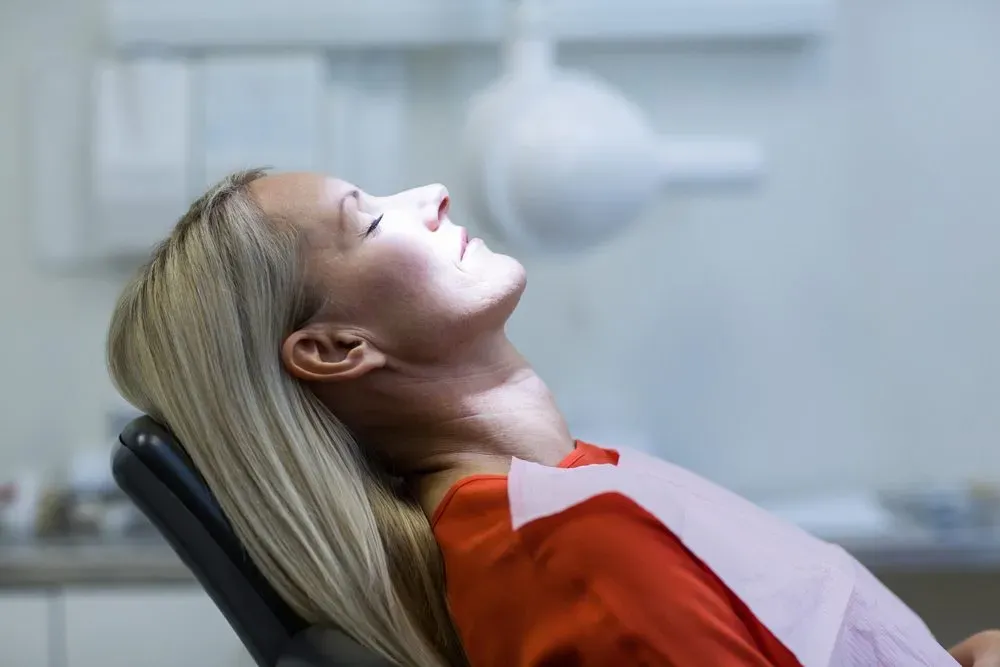
In practice, most patients under moderate or deep conscious sedation describe feeling like they were asleep. Time compresses. They feel calm, almost dreamy. Many remember nothing once the sedative wears off. The difference from general anesthesia is technical but important: your body is doing more of the work, the drugs are easier to titrate and reverse, and recovery is typically faster.
The American Dental Association recognizes four levels along the sedation continuum:
- Minimal sedation: you are relaxed but fully awake and able to respond normally
- Moderate sedation (conscious sedation): you are drowsy, may slur words, may not remember much; breathing unaffected
- Deep sedation: you are on the edge of unconsciousness; difficult to rouse but still responsive to repeated stimulation
- General anesthesia: you are fully unconscious; not classified as conscious sedation
All three of the first levels can be achieved with the sedation options available at a dental office. General anesthesia requires a hospital or surgical center setting.
Types of Conscious Sedation Used in Dentistry
Nitrous Oxide (Minimal Sedation)
Nitrous oxide, commonly called laughing gas, is inhaled through a small mask placed over your nose. It takes effect within minutes, producing a mild floating sensation and reducing anxiety without putting you to sleep. You remain fully able to talk and respond. Effects wear off almost immediately once the mask is removed, so you can typically drive yourself home.
Nitrous oxide is ideal for patients with mild anxiety, low pain tolerance, or a sensitive gag reflex who need routine procedures.
Oral Sedation (Moderate Sedation)
You take a prescription pill, usually a benzodiazepine such as triazolam, about an hour before your appointment. By the time you sit in the chair, you'll feel significantly drowsy and relaxed. Most patients under oral sedation remain conscious but have no clear memory of the procedure.
Because the drug's effects last several hours and impair coordination and judgment, you'll need a driver. This option works well for patients with moderate anxiety or those having longer procedures like multiple extractions or implant preparation.
IV Sedation (Moderate to Deep Sedation)
Sedative medication is delivered directly into a vein, allowing the dentist to adjust the level of sedation in real time. Onset is immediate, typically within seconds. IV sedation can achieve a deeper state than oral sedation, and its depth can be precisely controlled throughout the appointment.
Patients are typically unresponsive to conversation during IV sedation but will react to more significant stimulation. That places them at the moderate-to-deep end of the conscious sedation spectrum. Amnesia is common. A driver is required, and some post-appointment grogginess is normal.
What You'll Experience During Conscious Sedation
Your experience will vary by sedation type and your individual response, but most patients report a similar arc:
Before the procedure begins, you may feel a warm heaviness in your limbs, a pleasant lightheadedness, or simply a gradual easing of tension. The edge of anxiety softens. You're aware of your surroundings but indifferent to them.
During treatment, time moves strangely. A 90-minute procedure may feel like 10 minutes or may not register at all. You'll hear sounds but they won't feel urgent or alarming. If the dentist needs you to open wider or turn your head, you'll be able to follow the instruction.
Afterward, you may feel groggy and slightly disoriented for a few hours. This is normal and expected. Nitrous oxide clears fastest; oral and IV sedation may leave you feeling foggy for the rest of the day. Most patients feel back to themselves by the following morning.
Safety Monitoring Throughout the Procedure
Conscious sedation is not simply giving someone a pill and hoping for the best. At Jorgensen Advanced Dental Center, patients under sedation are continuously monitored throughout the appointment:
- Pulse oximetry: tracks blood oxygen saturation to ensure you're breathing effectively
- Blood pressure monitoring: checked at regular intervals
- Heart rate: monitored continuously
- Respiratory rate: observed to confirm stable, unassisted breathing
A dedicated team member is responsible for monitoring throughout the procedure. The dentist focuses on treatment; a trained assistant watches your vital signs. Emergency equipment and reversal agents are always on hand.
Credentials and California Requirements
Not every dental office can offer every type of sedation. California requires dentists to obtain specific permits beyond their general dental license to administer moderate or deep sedation:
- Nitrous oxide: covered under the standard dental license with required training
- Oral conscious sedation: requires a separate conscious sedation permit from the Dental Board of California
- IV sedation / deep sedation: requires a more advanced permit, additional training hours, and periodic renewal
These requirements exist to protect patients. When you choose a practice that holds the appropriate permits, you're receiving sedation from a clinician who has demonstrated the training and equipment standards California demands. Ask about permit credentials at your consultation. Any qualified practice will be glad to confirm them.
Who Is a Good Candidate for Conscious Sedation?
Conscious sedation dentistry is worth discussing with your dentist if you:
- Feel significant anxiety or fear about dental treatment
- Have had a traumatic dental experience in the past
- Need multiple procedures in a single visit
- Have a strong gag reflex that makes treatment difficult
- Have difficulty getting numb with local anesthesia alone
- Have physical or cognitive conditions that make it hard to stay still for extended periods
Most healthy adults are candidates for at least one form of conscious sedation. Your dentist will review your medical history, current medications, and health conditions before recommending a sedation type. Certain medical conditions, such as severe respiratory disease, pregnancy, or specific medication interactions, may affect which options are appropriate for you.
Conscious Sedation at Jorgensen Advanced Dental Center
At Jorgensen Advanced Dental Center, we believe dental fear should never stand between you and healthy teeth. Our sleep dentistry services are available at both our Palm Springs and Indian Wells, California locations.
We'll walk you through every option during your consultation, answer your questions honestly, and recommend the sedation level that fits your anxiety level, your procedure, and your medical history. There is no pressure and no judgment, only a commitment to making your visit as comfortable as possible.
Contact us to schedule a sedation dentistry consultation at either of our Coachella Valley locations.
Frequently Asked Questions
Will I be completely asleep during conscious sedation?
No. Conscious sedation keeps you in a relaxed, drowsy state where you can still respond to simple verbal instructions. Most patients feel as though they were asleep afterward. You are not fully unconscious, and your protective reflexes remain active. The goal is deep comfort, not total unconsciousness.
How is conscious sedation different from general anesthesia?
With conscious sedation, you remain able to respond to prompts, breathe on your own, and maintain your airway without assistance. General anesthesia eliminates all of these responses and requires more intensive monitoring and airway management. Conscious sedation is considered safer for most dental procedures and has a faster recovery.
What should I do to prepare for sedation dentistry?
For oral or IV sedation, you'll typically need to fast for several hours before your appointment and arrange for a trusted adult to drive you home and stay with you for a few hours after. Your dental team will give you specific instructions based on the type of sedation selected. Follow them precisely. They exist for your safety.
How long will the sedation effects last after my appointment?
Nitrous oxide clears within minutes after the mask is removed. Oral sedative effects typically last four to eight hours, and you may feel groggy for the rest of the day. IV sedation effects vary but usually resolve within a few hours. Plan to rest, avoid driving or operating machinery, and take the remainder of the day off from demanding tasks.