
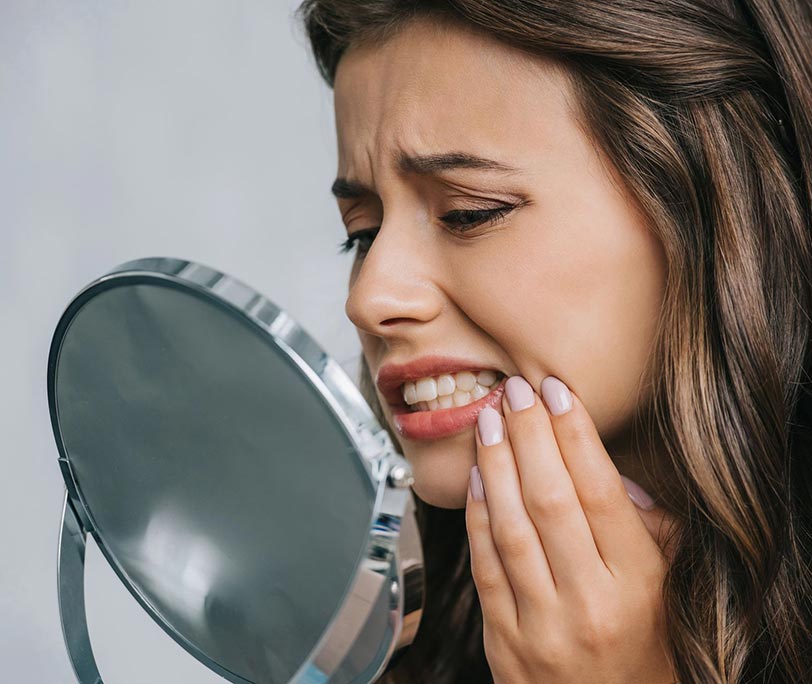
10 Signs It's Time to Schedule a Dental Checkup
If you're waiting until something hurts before calling the dentist, you're not alone — but you may be waiting too long. Many serious dental problems, from gum disease to tooth decay, develop quietly over months before they become painful. Knowing the signs you need a dental checkup puts you in control of your oral health and helps you avoid the bigger treatments that come with delayed care.
Here are 10 signs your mouth is telling you to make that appointment now.
Key Takeaways
- Tooth sensitivity, bleeding gums, and persistent bad breath are early warning signs that deserve professional attention.
- If it's been more than six months since your last visit, that alone is reason enough to call.
- Mouth sores that haven't healed in two weeks should be evaluated promptly.
- Loose teeth, shifting bite, or jaw pain are never normal in adults — see a dentist.
- Early detection of dental problems consistently saves time, money, and discomfort compared to waiting.
- Regular checkups at Jorgensen Advanced Dental Center are the most effective tool for long-term oral health.
Why You Should Never Ignore These Warning Signs
Your teeth and gums don't usually fail all at once. Problems build gradually, and your mouth often signals trouble well before the situation becomes urgent. The challenge is that many patients dismiss early warning signs as minor inconveniences — a little sensitivity here, some occasional bleeding there — when in reality those signals are worth a professional evaluation.
At Jorgensen Advanced Dental Center, patients across Palm Springs and Indian Wells come to us after putting off a visit, often wishing they'd come in sooner. The good news: when caught early, most dental problems are straightforward to address.
The 10 Signs You Need a Dental Checkup
1. Tooth Sensitivity to Hot, Cold, or Sweets
A brief wince when you sip hot coffee or bite into ice cream may be easy to ignore, but it's one of the most common early signs of enamel erosion, a cracked tooth, or an exposed root surface. Sensitivity that lingers for more than a second or two after the stimulus is gone deserves attention. It can also indicate a cavity that has reached deeper layers of the tooth.
2. Bleeding or Swollen Gums
Healthy gums don't bleed when you brush or floss. If yours do, it's typically a sign of gingivitis — the earliest stage of gum disease. The encouraging news is that gingivitis is reversible with professional cleaning and improved home care. Left untreated, however, it can progress to periodontitis, which causes permanent damage to the bone supporting your teeth.
3. Persistent Bad Breath
Everyone experiences bad breath from time to time, but chronic halitosis that doesn't resolve with brushing and hydration is often a sign of something more. Bacteria below the gumline, tooth decay, dry mouth, or even systemic health conditions can all cause persistent odor. A dental checkup can identify the source and recommend the right course of treatment.
4. Toothache or Jaw Pain
Pain is your body's clearest signal that something is wrong. A toothache can indicate a cavity, an abscess, a cracked tooth, or an infection — none of which improve on their own. Jaw pain may point to teeth grinding (bruxism), temporomandibular joint (TMJ) issues, or even referred pain from an infected tooth. Don't manage dental pain with over-the-counter medication indefinitely; let Dr. Jorgensen find the source.
5. Visible Changes in Your Teeth
Chips, cracks, dark spots, or new discoloration on a tooth are all reasons to schedule a visit. Visible structural changes can weaken a tooth and leave it vulnerable to fracture or infection. Discoloration on a single tooth — particularly darkening — may indicate damage to the nerve inside. These changes are much easier to address when caught early.
6. Dry Mouth
Saliva isn't just comfort — it's your mouth's built-in defense system. It neutralizes acids, washes away food particles, and helps prevent bacterial overgrowth. Persistent dry mouth (xerostomia) raises your risk of cavities and gum disease significantly. It can be a side effect of medications, a symptom of dehydration, or a sign of an underlying condition. Your dentist can recommend protective strategies and identify whether further evaluation is needed.
7. It's Been More Than Six Months Since Your Last Visit
This one is simple. The American Dental Association recommends that most adults see a dentist at least once a year, and twice a year for those with higher risk factors — which includes most adults over 35. If you can't remember your last cleaning, it's time. Professional cleanings remove tartar buildup that brushing and flossing can't touch, and checkups catch problems before they become emergencies.
8. Loose or Shifting Teeth
Adult teeth should be stable. If a tooth feels loose, or if you've noticed gaps forming between teeth that weren't there before, that's a significant warning sign. Shifting teeth are often a symptom of bone loss from advanced gum disease, or they can indicate other structural issues. This type of change does not correct itself without treatment and tends to worsen over time.
9. Mouth Sores That Won't Heal
Most canker sores and minor mouth irritations resolve within one to two weeks. A sore, patch, or lump that persists beyond two weeks should be evaluated by a dentist — this is standard screening practice for early detection of oral cancer and other tissue changes. The earlier abnormal tissue is identified, the more treatment options are available.
10. Changes in Your Bite or Difficulty Chewing
If your upper and lower teeth no longer meet the way they used to, or if chewing has become uncomfortable on one side, something has changed in your mouth. Bite changes can result from tooth wear, a shifting tooth, a damaged restoration, or jaw issues. Continuing to chew unevenly can put stress on other teeth and accelerate wear, so this warrants prompt evaluation.
What to Expect at Your Checkup
If any of the signs above sound familiar, the next step is straightforward: schedule a visit. At Jorgensen Advanced Dental Center, a routine checkup includes a thorough exam of your teeth, gums, and soft tissues, digital X-rays when appropriate, and a professional cleaning to remove buildup. Dr. Jorgensen will review your findings with you and discuss any recommended treatment clearly, without pressure.
If it's been a while or you feel anxious about returning, know that our Palm Springs and Indian Wells offices are designed with patient comfort in mind. We can discuss your concerns before your appointment so you feel prepared.
Frequently Asked Questions
When should I see a dentist urgently rather than scheduling a routine appointment?
Seek same-day or emergency dental care if you have severe or throbbing tooth pain, a tooth that has been knocked out, significant swelling in your jaw or face, or an injury to your mouth. For persistent but manageable symptoms — sensitivity, mild soreness, bleeding gums — a scheduled appointment within a week or two is appropriate. When in doubt, call your dental office and describe your symptoms.
Is it normal for gums to bleed when I brush?
No. Bleeding gums during brushing or flossing are one of the earliest signs of gum disease and should not be dismissed as normal. Occasional minor bleeding after aggressive flossing may occur, but routine bleeding means your gum tissue is inflamed. A professional cleaning and evaluation can determine the cause and reverse gingivitis before it progresses to more serious periodontal disease.
How often should adults over 35 have a dental checkup?
Most adults benefit from checkups every six months. If you have a history of gum disease, frequent cavities, dry mouth, or other risk factors, your dentist may recommend more frequent visits — sometimes every three to four months. Adults who maintain excellent home care and have no active concerns may be able to extend to annual visits, but this should be determined in consultation with your dentist.
What if my tooth sensitivity comes and goes — do I still need to see a dentist?
Yes. Intermittent sensitivity is still worth reporting. It may indicate early enamel erosion, a small crack, or the beginning stages of decay — all of which are much easier to treat before they deepen. Sensitivity that seems to resolve on its own has not necessarily gone away; the underlying cause may still be progressing. A quick exam can confirm whether treatment is needed or rule out anything serious.