
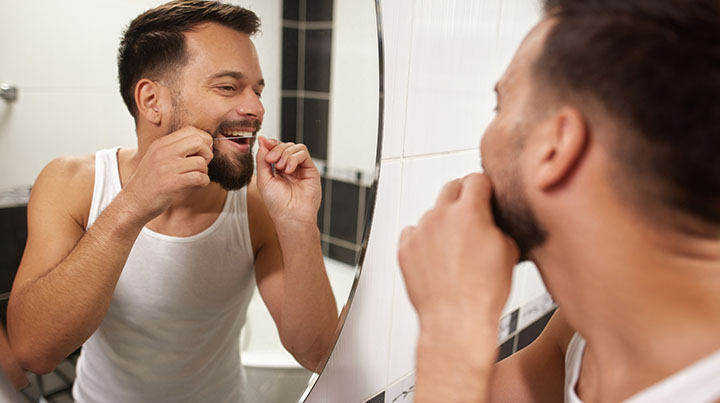
Better Oral Hygiene Habits for Adults: What Actually Works
Building better oral hygiene habits as an adult starts with closing the gap between what you know you should do and what you actually do each day — and for most people, that gap is flossing. Research shows the vast majority of adults brush regularly, but daily flossing lags far behind, leaving a critical piece of prevention undone.
Key Takeaways
- About 94% of adults brush at least once daily, per CareQuest Institute survey data, but only 34.8% floss daily, according to a study in the Journal of the American Dental Association.
- Flossing habits have changed little in over a decade, despite consistent public health messaging.
- Adults 60 and older are actually more consistent with brushing and flossing than younger adults.
- Small, specific habit changes — like flossing before bed rather than "sometime today" — stick far better than vague goals.
- The right tools (floss picks, water flossers, electric brushes) can remove real barriers to consistency.
- Pairing home habits with regular professional cleanings is what actually prevents gum disease long-term.
Why Adults Struggle With Consistency, Not Knowledge
Most adults already know they should brush twice a day and floss daily — the real obstacle is turning that knowledge into a habit that survives a busy week. National survey data compiled by the CareQuest Institute shows this gap clearly: brushing compliance is high, but flossing consistently trails behind, even though most people understand why it matters.
A 2024 study published in the Journal of the American Dental Association tracked flossing behavior in U.S. adults from 2009 through 2020 and found daily flossing rose only modestly — from 29.4% to 34.8% — and that increase wasn't statistically significant once other factors were accounted for. In other words, over a decade of public health messaging, actual behavior barely moved. That tells us the fix isn't more information; it's a better system.
This isn't a reflection of laziness or a lack of care about your health. Flossing is simply a habit that most people never had modeled for them consistently growing up, unlike brushing, which is drilled in from early childhood. It also requires a bit more dexterity and a few extra seconds at a moment in the day — right before bed — when motivation tends to be lowest. Understanding that the barrier is structural, not personal, makes it much easier to build a system that actually works instead of relying on willpower alone.
The Habits That Actually Move the Needle
If you want your oral hygiene routine to actually stick, anchor it to something you already do every day rather than treating it as a separate task. Habit researchers call this "habit stacking," and it works well for dental care specifically.
- Floss immediately before brushing at night, not "at some point" during the day.
- Keep floss or floss picks somewhere visible — next to your toothbrush, not in a drawer.
- Use a two-minute timer when brushing; most people brush for far less time than they think.
- Swap in an electric toothbrush if manual brushing feels rushed or inconsistent.
- Try a water flosser if traditional floss is uncomfortable or you have bridgework.
- Schedule your next cleaning before you leave your current appointment, so it's on the calendar rather than "someday."
Matching Your Routine to Your Age and Risk
Your oral hygiene needs shift as you move through your 30s, 40s, and beyond, so a routine that worked in your twenties may need updating. Interestingly, survey data shows adults 60 and older report brushing and flossing more consistently than younger adults — often because they've experienced firsthand what happens when those habits slip.
Here's how priorities tend to shift by decade:
| Age Range | Common Concerns | Habit Focus |
|---|---|---|
| 35–44 | Early gum sensitivity, coffee/wine staining | Consistent flossing, whitening-safe products |
| 45–54 | Receding gums, tooth sensitivity | Soft-bristle brushing, fluoride rinses |
| 55–64 | Dry mouth, root decay risk | Hydration, fluoride, more frequent cleanings |
| 65+ | Tooth loss risk, medication side effects | Gentle techniques, possible interdental tools |
If you're not sure which category best describes your current risk, that's a great conversation to have at your next visit to our cleaning and prevention appointment.
Interestingly, the data on older adults being more consistent than younger adults suggests something encouraging: habits can and do improve over time, often after a wake-up-call moment like a cavity, a diagnosis of early gum disease, or simply noticing a parent's struggles with tooth loss later in life. You don't have to wait for that moment to make the shift. Treating your 30s and 40s as the time to build durable habits, rather than your 60s as the time to finally take them seriously, puts you well ahead of the curve.
What Good Oral Hygiene Actually Prevents
Consistent home care is your best defense against the two conditions that cause most adult tooth loss: cavities and gum disease. Skipping flossing in particular leaves plaque sitting between teeth and along the gumline, exactly where gum disease typically begins. Left unaddressed, that plaque can progress toward periodontal issues that are far more involved — and more costly — to treat than prevention ever is. If you already have signs of gum irritation, our periodontal disease team can help you get ahead of it.
Good habits also protect the investment you've made in any past dental work — crowns, fillings, and restorations all last longer when plaque and bacteria are kept under control.
Making It Sustainable, Not Perfect
The goal isn't a flawless routine every single day — it's consistency over time, which matters more than any one missed night of flossing. If you fall off track, the best response is simply to restart the next day rather than treating it as a failure. Pairing your home routine with professional cleanings on a schedule that fits your risk level closes the gaps that even the best home care can't fully cover. If you're overdue for a visit, contact us and we'll help you get back on track.
Frequently Asked Questions
Why do so many adults skip flossing even when they know it's important?
Flossing often gets skipped simply because it isn't tied to an existing daily habit, unlike brushing, which is deeply ingrained from childhood. Research shows daily flossing rates have barely changed in over a decade, suggesting the barrier is habit formation, not lack of awareness.
Is a water flosser as effective as traditional string floss?
Water flossers can be an effective alternative, particularly for people with braces, bridges, or difficulty maneuvering string floss. They remove plaque and debris from between teeth and along the gumline, though your dentist can advise if traditional floss is still recommended for your specific needs.
How can I build a flossing habit that actually sticks?
Attach flossing to an existing habit, like brushing your teeth at night, rather than treating it as a separate task to remember. Keeping floss visible near your toothbrush and choosing a consistent time each day makes the habit far more likely to stick long-term.
Do oral hygiene needs change as you get older?
Yes — as you age, concerns like receding gums, dry mouth, and root decay become more common, which may call for softer brushing techniques, fluoride treatments, or more frequent professional cleanings. Your dentist can help tailor your routine to your current risk factors.