
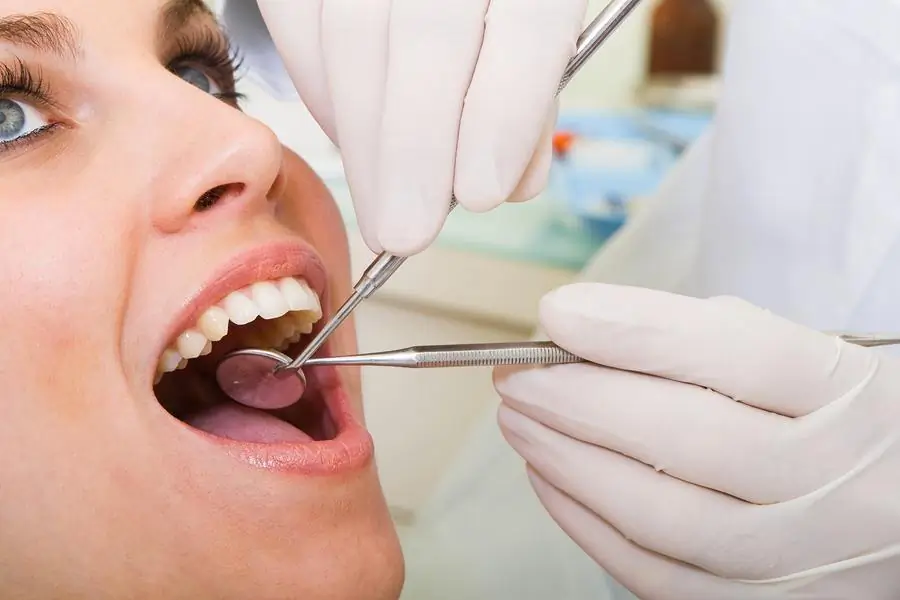
The Importance of Early Dental Intervention
Early dental intervention means treating a problem the moment it's identified, not waiting until it causes pain. It consistently leads to simpler treatment, lower cost, and better outcomes. A small cavity caught at a routine visit needs a minor filling; the same cavity left untreated for a year or two may need a crown or root canal instead. The earlier a problem is addressed, the fewer options it takes off the table.
Key Takeaways
- The CDC notes most oral disease is preventable by limiting risk factors like tobacco, alcohol, and sugary foods and drinks, paired with regular professional care
- Preventive dental care is consistently linked to significant savings compared to restorative or emergency treatment later
- Medicaid enrollees with five continuous years of preventive dental care saw about 43% lower dental costs than those with none
- Dental-related emergency room visits cost the U.S. nearly $2 billion a year, often for problems that could have been treated earlier and far less expensively
- Early intervention applies at every life stage, from children's first cavities to adult gum disease and worn restorations
- Six-month checkups are the primary mechanism for catching problems while they're still minor
What Early Intervention Actually Means
Early intervention isn't a single procedure. It's a philosophy of catching and treating dental issues at their earliest, most manageable stage rather than waiting for symptoms to force the issue. In practice, this means routine exams, X-rays, and periodontal screenings that flag problems before you'd ever notice them on your own, followed by prompt, appropriately-scaled treatment.
The alternative is reactive dentistry, where problems are addressed only once they hurt. That approach consistently costs more, takes longer to treat, and produces worse long-term outcomes. According to the CDC, most oral disease is preventable by limiting known risk factors, such as tobacco use, excess alcohol, and frequent sugary foods and drinks, combined with regular professional care (CDC, About Oral Health). That means a large share of costly, invasive procedures patients undergo could have been avoided with earlier attention.
The Financial Case for Acting Early
Beyond comfort and convenience, early intervention has a clear financial upside that's easy to underestimate until you compare the numbers directly.
| Approach | Typical Outcome |
|---|---|
| Preventive visit for a small cavity | Simple filling, low cost |
| Waiting until the cavity causes pain | Root canal or crown, significantly higher cost |
| Regular gum disease monitoring | Improved home care, possible non-surgical cleaning |
| Ignoring early gum disease symptoms | Scaling and root planing, or surgical treatment |
| Routine dental visits over 5 years (Medicaid enrollees) | About 43% lower cumulative dental costs |
| Emergency room visit for a dental problem | Averages hundreds to over $1,000, often followed by a dental visit anyway |
Preventive dental care pays off in measurable ways. Medicaid enrollees with five continuous years of preventive dental visits had 43% lower dental costs than those with no preventive visits at all, largely due to fewer oral surgeries (Journal of Public Health Dentistry). On a larger scale, dental-related emergency room visits cost the U.S. roughly $2 billion annually. The American Dental Association estimates a large share of those visits could have been addressed far less expensively in a routine dental office setting (American Dental Association).
Early Intervention Starts in Childhood
The case for early treatment is especially strong for children, where habits and outcomes established early carry forward for a lifetime. About 1 in 4 children aged 2 to 5 have already experienced cavities in their primary teeth (NIDCR). Roughly half of children aged 6 to 9 have one or more decayed, filled, or missing teeth (CDC, 2024 Oral Health Surveillance Report). Preventive tools designed specifically for kids make a measurable difference: dental sealants prevent about 80% of cavities in treated molars for up to two years, and continue offering meaningful protection for years afterward (CDC, Dental Sealant Facts).
Catching decay early in a child's primary teeth also protects the alignment and health of the permanent teeth developing underneath. That's another reason pediatric dental visits shouldn't be delayed.
Early Intervention Matters for Adults Too
It's easy to assume early intervention is mainly a pediatric concern, but adult dental problems follow the same pattern. Gum disease is a prime example: an estimated 42.2% of U.S. adults aged 30 and older have some form of periodontitis (NIDCR). The earliest stage, gingivitis, is fully reversible with a professional cleaning and improved home care. Left untreated, it can progress to periodontitis, which causes permanent bone loss around the teeth.
The same logic applies to worn fillings, cracked teeth, and early enamel erosion. These problems are simple and inexpensive to address early, and considerably more complex once they progress. Regular checkups are how these issues get caught while your options are still simple ones, whether that means a minor restoration or a conversation about restorative dentistry before a bigger repair becomes necessary.
Building Early Intervention Into Your Routine
You don't need a complicated plan to benefit from early intervention, just consistency:
- Schedule a professional cleaning and exam every six months (more often if your dentist recommends it based on your risk factors)
- Don't wait for pain before mentioning something that feels "off," even minor sensitivity or a rough spot on a tooth
- Keep up with cleaning and prevention visits, which include the X-rays and screenings that catch issues you can't see or feel
- Address gum bleeding or tenderness right away rather than assuming it will resolve on its own
- Ask your dentist directly what your specific risk factors are, so you know what to watch for between visits
Early Intervention at Jorgensen Advanced Dental Center
At Jorgensen Advanced Dental Center, serving patients in Palm Springs and Indian Wells, Dr. Jay Jorgensen and the team treat every routine visit as an opportunity to catch problems while they're still small. We understand that dental visits can feel like a lower priority when nothing hurts. But that's exactly when early intervention does its best work. If it's been a while since your last exam, contact us to get back on a schedule that protects both your smile and your budget.
Frequently Asked Questions
Why does early dental treatment cost less than waiting?
Dental problems get more complex and expensive the longer they're left untreated. A small cavity needs a simple filling, but the same cavity can require a root canal or crown a year later. Patients with years of consistent preventive care have been shown to have significantly lower cumulative dental costs than those with none, compared to reactive treatment after symptoms appear.
Is early intervention only important for children?
No. While childhood cavity prevention is well documented, adults benefit just as much. An estimated 42.2% of adults over 30 have some form of periodontitis, and catching it at the reversible gingivitis stage avoids the permanent bone loss that comes with advanced periodontitis.
What are signs I shouldn't ignore between checkups?
Bleeding or tender gums, new tooth sensitivity, a rough or sharp spot on a tooth, or any change in how your bite feels are all worth mentioning to your dentist right away rather than waiting for your next scheduled visit. Early reporting often means simpler treatment.
How often should I really be going in for checkups?
Most adults benefit from a professional exam and cleaning every six months. Some patients, depending on their gum health history, cavity risk, or other factors, may be advised to come in every three to four months for closer monitoring.